
 en
en ro
ro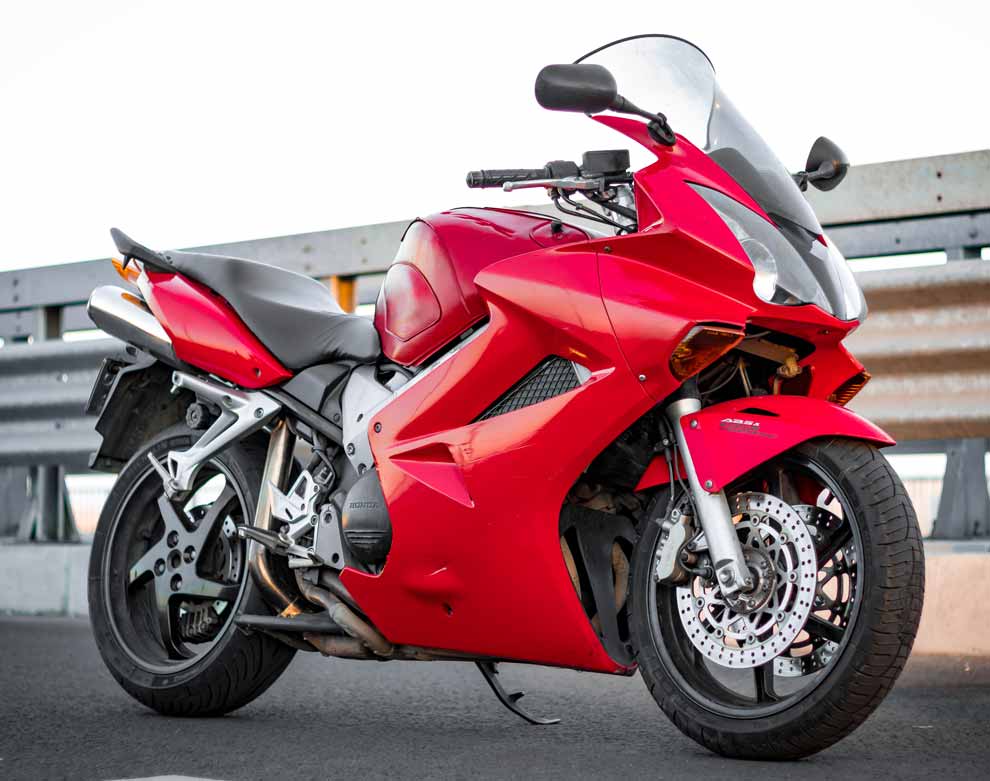
What happens when you put V-Tec on a motorcycle? Very simple, you end up with a rocket on two wheels that was built for sport touring and can be loaded however you want, because it will still have plenty of power. Today it’s about the Honda VFR 800F V-Tec, the 6th generation of the VFR and the second one with an 800cc engine, produced between 2002 and 2013, followed in 2014 by a new generation. What’s so special about this model, and why did it stay on the market for over 10 years without too many changes?
Let’s first talk about the improvements made compared to the previous model. The name remained the same, as did the VFR engine configuration, the V Four. That means a 781.7cc liquid-cooled engine with four pistons in a 90-degree “V” layout, with four valves per cylinder, developing no less than 81 kW (~109 HP) at 10,500 RPM and a maximum torque of 82 Nm at 8,500 RPM. The nice thing about these engines is that both the power and torque are available even at low revs, so there’s no need to get close to the red line too often. But here, Honda came with an upgrade called V-Tec (Variable Valve Timing & Lift Electronic Control), very popular among cars. This technology allows variable valve opening depending on engine speed for optimal power and efficiency. Thus, in this case, the engine runs with only 2 valves per cylinder up to 7,000 RPM for increased torque, and above 7,000 RPM with all 4 valves to take advantage of the specific power of a V4.
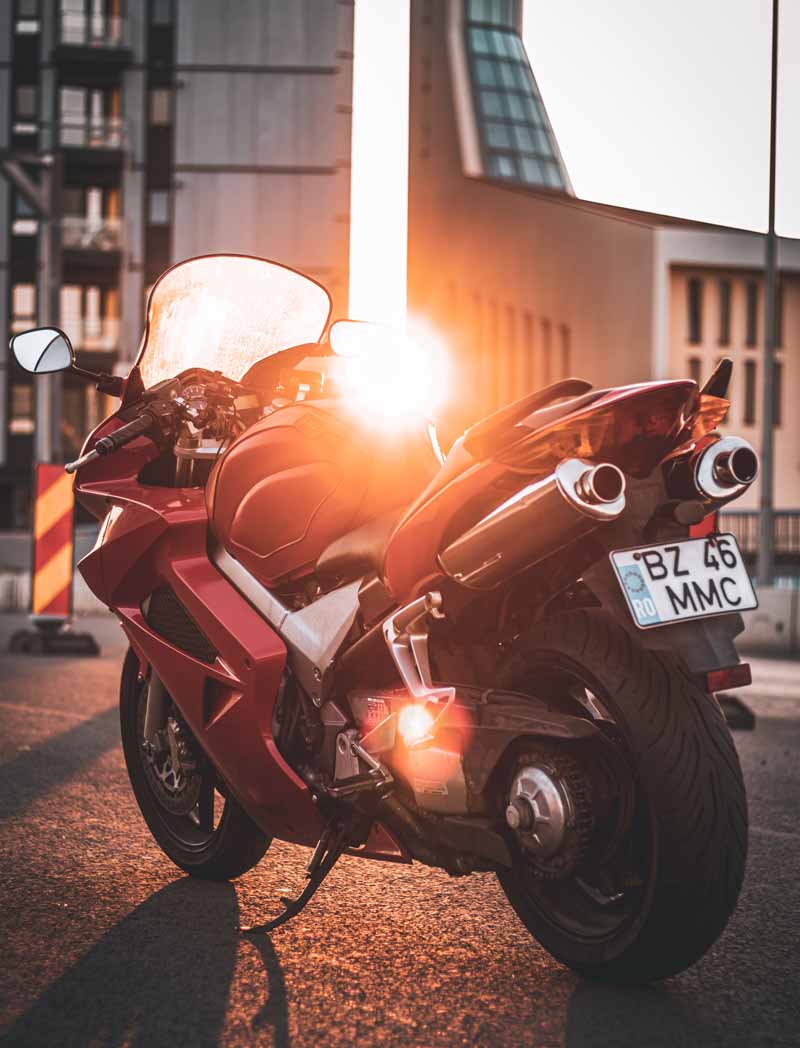
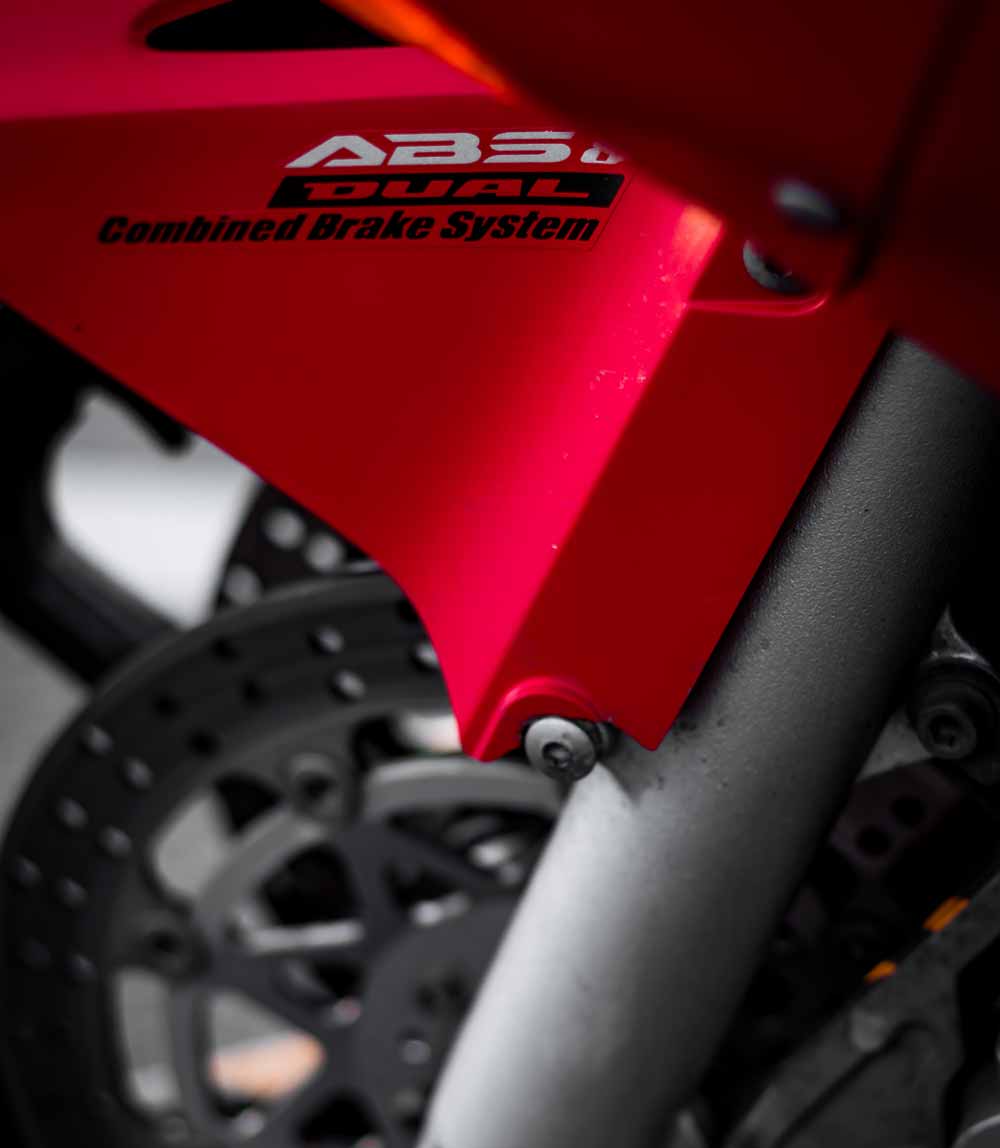
Other upgrades include moving the exhaust system from a single side-mounted unit to a dual exhaust positioned under the seat. Not only does it look much better and make the motorcycle more balanced, but you should also expect a bit more heat around the legs and especially toward the passenger seat. The front suspension wasn’t neglected either and was increased from 41 to 43 mm, still remaining a simple one, not USD. 2002 was also the first year when the VFR received the option for ABS (VFR 800A), as well as an electronic odometer, with the dashboard becoming symmetrical compared to the previous model. Improvements were also made to the injection system, the cooling system, the gearbox ratios, and the fuel tank capacity.
Alright, now let’s talk about the current generation and understand what’s going on here. We have a motorcycle designed for sport-touring, and that means you can ride hundreds of kilometers without too many problems. Why?
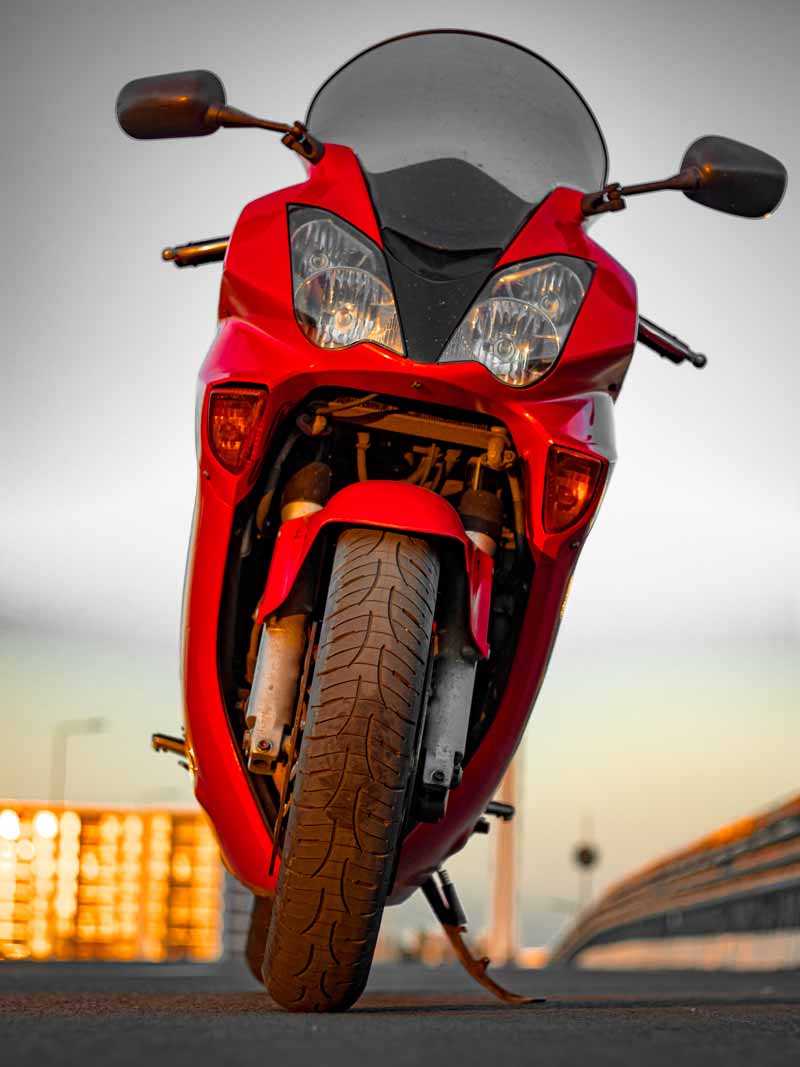
We have a fairly comfortable riding position, a huge front fairing along with a solid windshield that spares you from wind fatigue, as well as a rear suspension that can be adjusted for rebound, so the ride stays as smooth as possible regardless of road conditions or load. The average fuel consumption isn’t bad at all either, reaching around 4.3% in my tests though that’s without luggage or a passenger. Combined with the 20.8-liter tank, this means you can go over 400 kilometers without refueling.
When it comes to the “sport” part, this involves the engine and the way all that power is delivered, but also the clip-on handlebars that help with leaning into corners. However, the motorcycle is quite long, and “throwing” it from one side to the other isn’t the easiest thing to do. And even though everyone’s instinct is to open the throttle fully while at high lean angles, on this model more than on any other I’d recommend extra caution regarding engine RPM. If you happen to get caught by the V-Tec at a big lean angle, the rear wheel might lose traction and you could end up directly on the asphalt. So depending on your limits, your riding style, and especially your level of experience, it’s recommended to avoid the 6500–7000 RPM range when leaning the motorcycle close to its limits.
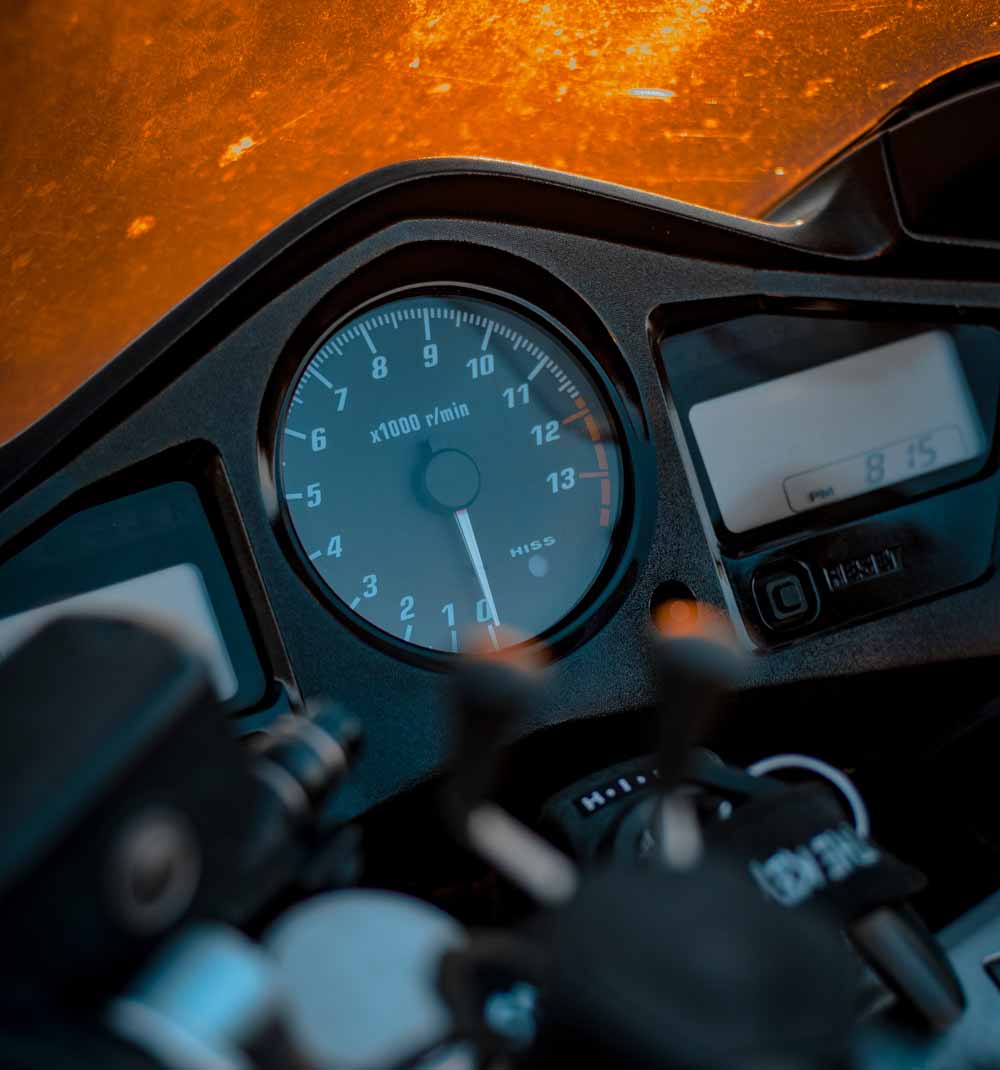
Otherwise, in a straight line you can easily reach speeds of 220 km/h, and from there acceleration becomes a bit slower toward a top speed of 260 km/h. The gearbox ratios are quite long and allow for easier riding at various speeds without having to change gears too often. You can play anywhere between 3,500 and 12,000 RPM without issues, but if you drop below those revs, the motorcycle starts to vibrate quite a lot. The engine can run even at 2,000 RPM without problems, but the “shaking” that appears will quickly make you change down a gear.
On the other hand, at the opposite extreme it seems much more comfortable, easily climbing from 7,000 straight to 12,000 where the red line is the area where you can really feel the potential of this engine type. The available controls are typical for that era: on the right side you have the throttle, the starter button at the bottom, and a bit higher up the switch block that allows turning on the position lights, the low beam, and turning them off, followed by the kill switch. The front brake lever is adjustable with a small dial, allowing it to be positioned anywhere depending on the rider’s preference, a system also found on the clutch lever.
In addition, on the left side you’ll find the controls for the turn signals, horn, low and high beams, along with a dedicated flash control. The dashboard displays important information and is divided into three well-defined sections. The left one shows the ambient or engine temperature, along with the riding speed and four indicators: left turn signal, oil, high temperature, and neutral. The right one contains indicators for ABS, high beam, FI (Fuel Injection), and right turn signal, and it displays the fuel level, trip 1, trip 2, and the ODO (total mileage), plus a digital clock that’s always on. The central gauge contains the analog tachometer that hits the “red line” at around 12,000 RPM, along with a small red light for the HISS (Honda Ignition Security System) electronic immobilizer.
The fairings are massive and can be intimidating at first, giving the impression of a huge, heavy motorcycle that you can’t control, but once you get moving, things change quickly. The front also houses the turn signals, which are very easy to see, along with a windshield that protects you from the wind, especially at high speeds. The mirrors are positioned a bit higher but minimize the blind spot, so you don’t have to turn your head as much with every change of direction.
The middle section, around the knees, has two air vents, one on each side, that help cool the engine. This means that when the thermocouple starts, air is drawn in from the left side and expelled through the right, which you might especially notice on hot days and when riding through the city, as your right leg will receive a wave of heat at every stop.
The rear is a bit more aggressive with a sharp fairing shape that hides the exhaust and, just like the front, contains turn signals that stand out very clearly. Normally, you’ll also find the passenger grab handles here, which the passenger can hold for extra safety, but you can also use them to attach luggage.
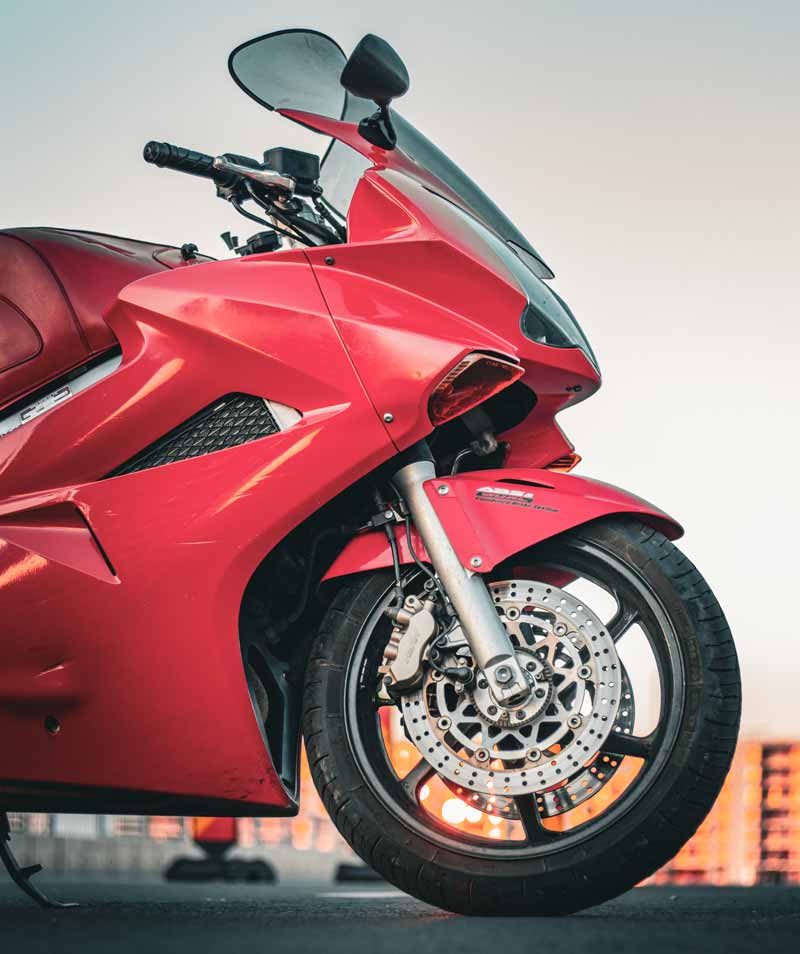
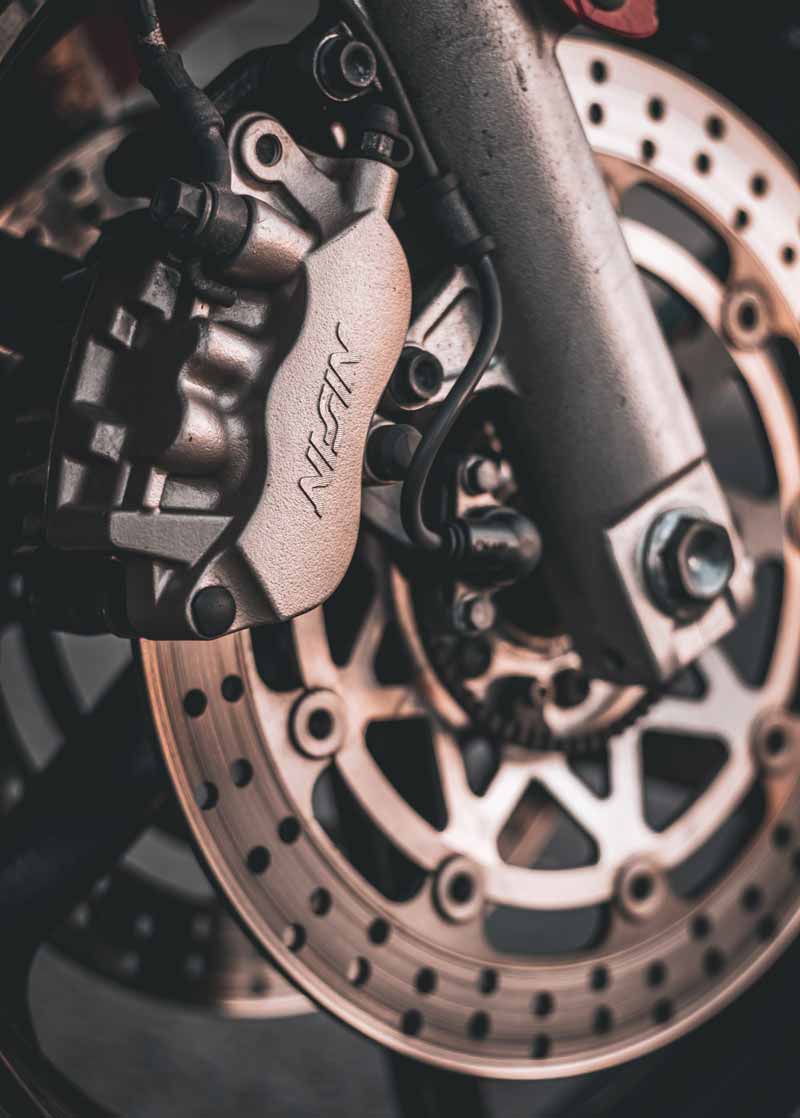
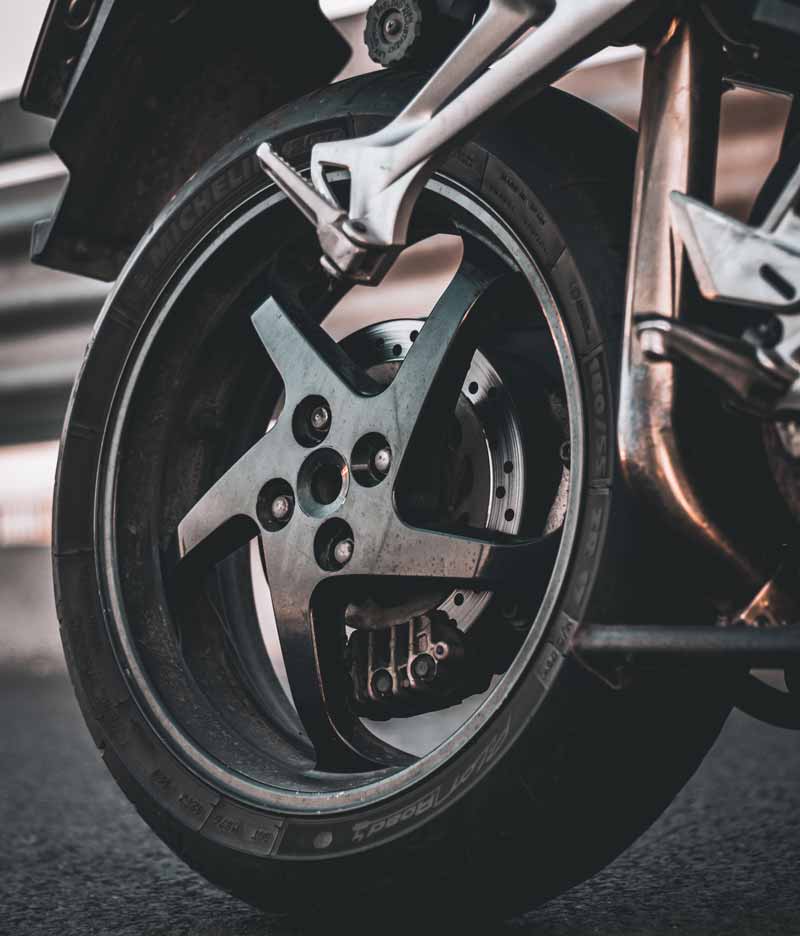
The brakes are impressive as well, and rightly so. With a curb weight of 208 kg, a large fuel tank, and likely some extra load on most rides, this model needs sufficient braking power to stop in time. Honda kept the 296 mm discs on this model but introduced improved calipers with 3 pistons each, which you can feel from the very first touch of the brake lever. The rear disc is also different, partly due to its mounting on the monobrace system, with a diameter of 256 mm and a caliper also with 3 pistons.
All of these elements are supported by two additional safety systems: ABS & CBS. The first is the classic and already popular system in the world of vehicles, both two- and four-wheeled, where an electronic system prevents wheel lock-up, substantially reducing the risk of a fall. The second is less common and somewhat older, but it works via a mechanical system that transfers a certain percentage of braking force from one axle to the other. Specifically, if you brake the front, a portion of the braking force is also transmitted to the rear wheel, and this works vice versa as well.
Overall, the Honda VFR 800 does exactly what it promises: enjoyable, long rides where you don’t feel the need for more power, protection from the wind, and minimized discomfort in straight-line riding, while also giving a unique sensation when reaching the 7,000 RPM threshold thanks to the V-Tec system.
Here are the ratings for this model:
- Appearance: 6
- Handling: 5
- Popularity: 3
- Acceleration: 7
- Top speed: 8
- Brakes: 7
- Sound: 8
- Features: 6
- Weight: 5
- City riding: 5
- Sport: 6
- Touring: 10
- Price: 7
- Personal rating: 7
- Total: 96
The full ranking can be followed in the motorcycle table.


